Provincial Licensing Nuances Dictating Live Dealer Availability in Mobile Payment Ecosystems
Xander Klein · Aug 24, 2026
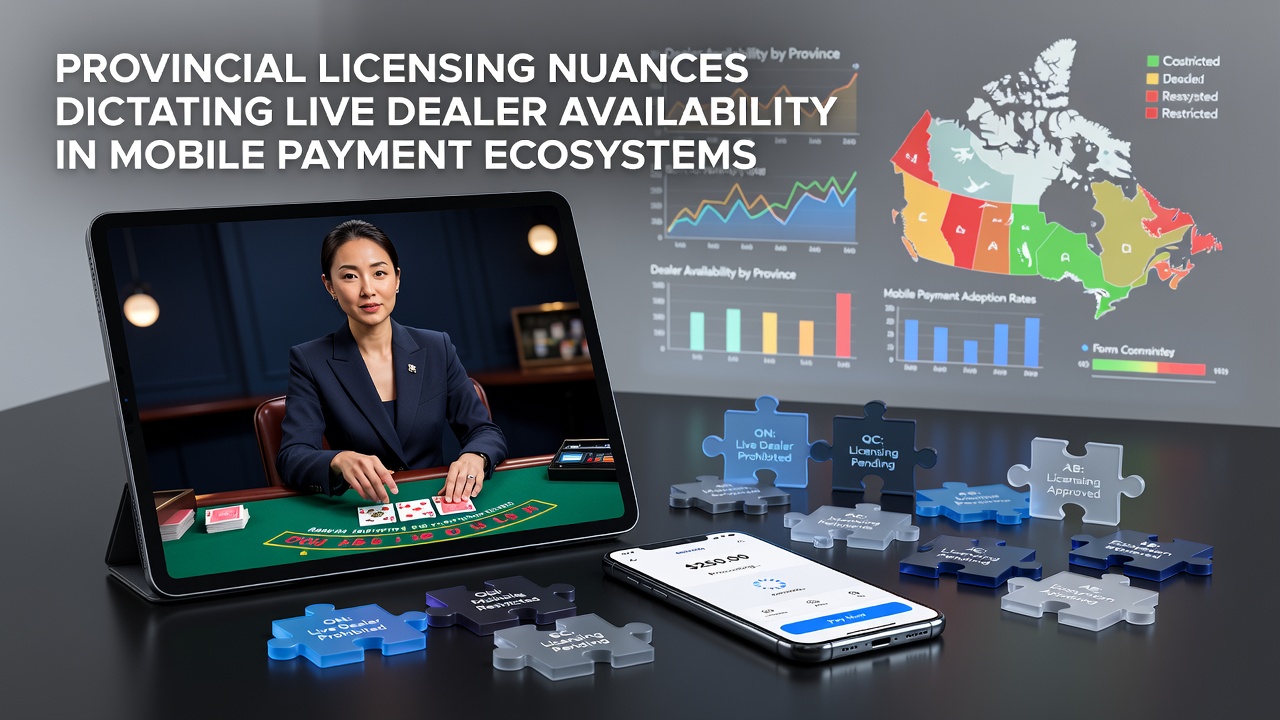
Provincial Licensing Nuances Dictating Live Dealer Availability in Mobile Payment Ecosystems
Provincial licensing frameworks across Canada create distinct pathways that determine how live dealer games reach players through mobile payment systems, and these variations stem from separate regulatory authorities managing online gaming within their jurisdictions. Ontario operates under the Alcohol and Gaming Commission of Ontario while British Columbia relies on the British Columbia Lottery Corporation; each body enforces its own set of technical standards, operator approvals, and payment integration requirements that directly affect which live dealer titles become accessible on smartphones and tablets.
Mapping the Regulatory Landscape Across Provinces
Observers note that licensing conditions in each province dictate the range of live dealer options available through mobile channels because regulators review game software, payment processors, and data security protocols before granting market access. Data from industry reports shows that provinces with centralized licensing bodies tend to approve mobile payment ecosystems faster than those requiring multiple layers of provincial review, and this difference appears clearly in transaction speed metrics tracked through 2025 into August 2026.
Researchers at Canadian institutions have documented how Quebec's regulatory approach emphasizes local operator partnerships, which in turn shapes the mobile payment gateways permitted for live dealer sessions. Meanwhile Alberta maintains a more open stance toward external providers, yet still imposes strict geo-fencing and identity verification rules that mobile platforms must satisfy before live dealer streams activate.
Technical Standards and Mobile Payment Integration
Live dealer availability hinges on whether a province's licensing authority certifies the underlying random number generators, video streaming protocols, and encrypted mobile wallets used during real-time gameplay. Figures from regulatory filings reveal that Ontario's framework requires payment processors to undergo separate audits for each new live dealer provider, whereas Saskatchewan integrates these checks into a single operator license renewal cycle.
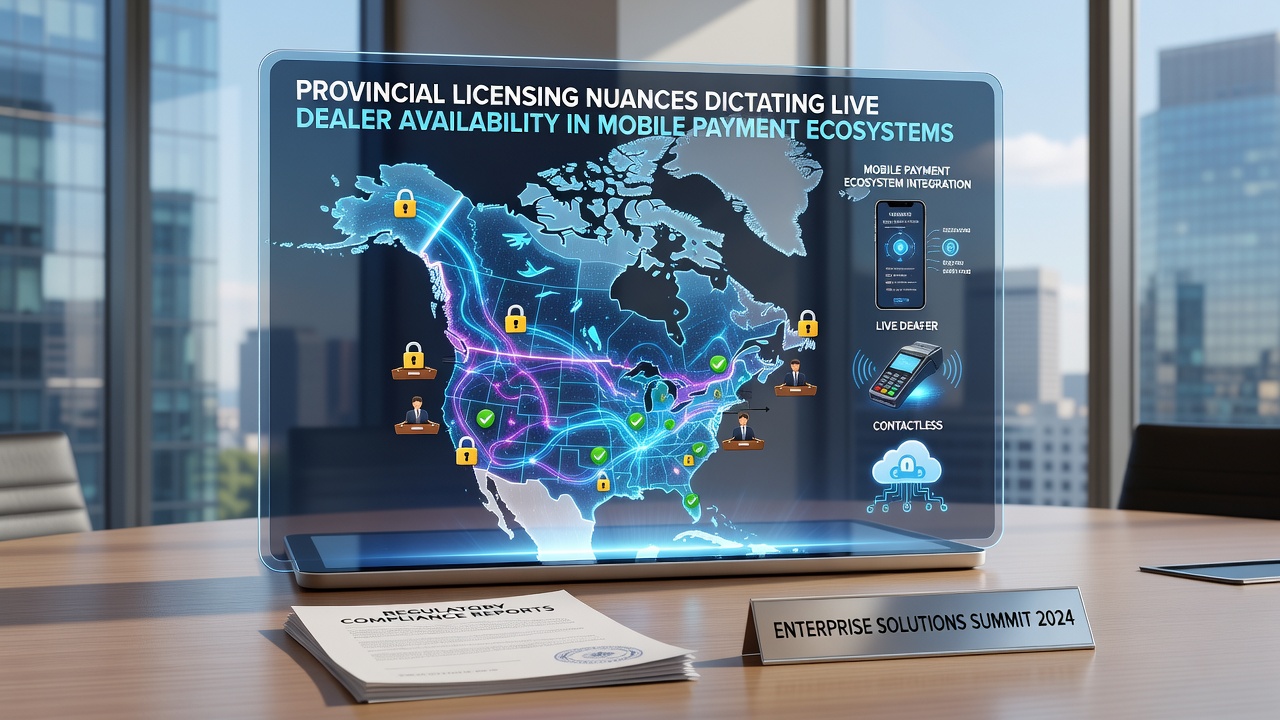
Those who have examined payment flow diagrams across provinces point out that mobile ecosystems must route transactions through provincially approved financial rails; any mismatch between the payment method and the license type blocks the live dealer table from loading. Studies conducted by academic groups tracking digital gambling infrastructure indicate that provinces updating their payment certification rules in 2025 experienced measurable shifts in the number of active live dealer sessions reported through mobile apps.
Case Examples from Different Jurisdictions
Take one operator that secured an Ontario license in early 2025: that company integrated Interac-based mobile wallets with live dealer blackjack and roulette after clearing both AGCO software testing and payment security reviews. In contrast, operators in New Brunswick continue to navigate a patchwork system where live dealer content must receive explicit approval from the provincial lottery corporation before mobile payment links activate.
What's interesting is how these licensing steps influence the timing of feature rollouts, since provinces that coordinate their technical reviews with federal financial regulations tend to launch updated mobile ecosystems ahead of others. Evidence gathered through 2026 shows that provinces publishing clear guidance documents on payment tokenization achieve higher rates of live dealer adoption on smartphones.
Future Developments and August 2026 Outlook
As August 2026 approaches, several provinces have signaled upcoming revisions to their licensing criteria for mobile payment processors that support live dealer environments. These revisions focus on real-time transaction monitoring and cross-border data handling, and they will require existing operators to re-certify their platforms if they wish to maintain uninterrupted service.
Industry associations tracking these changes report that provinces sharing best practices through inter-governmental working groups accelerate the approval process for new live dealer titles. Observers expect that clearer alignment between provincial standards and mobile wallet security protocols will expand the number of available tables without compromising regulatory oversight.
Conclusion
Provincial licensing nuances continue to shape the precise conditions under which live dealer games appear within mobile payment ecosystems, and these differences arise from distinct regulatory priorities, technical certification processes, and payment integration requirements enforced at the provincial level. Data collected through 2025 and into 2026 illustrates how these frameworks determine both the speed and scope of live dealer availability for Canadian players accessing content on mobile devices.